Scroll through any social media platform for a few minutes and it becomes obvious: Celebrity brands are everywhere. From Hailey Bieber’s Rhode skincare line to Lady Gaga’s Haus Labs, it seems like every major name has stepped into the world of beauty, fashion, or wellness. And it’s not just a side hobby – it’s becoming a defining part of their careers.
The trend stretches far beyond a few viral launches. Rihanna changed the beauty industry with Fenty Beauty’s inclusive shade range, while Ariana Grande entered the market with r.e.m. beauty, leaning into futuristic aesthetics. Even icons like Kourtney Kardashian have launched lifestyle brands, and Kylie Jenner essentially built a billion-dollar empire off Kylie Cosmetics. At this point, it’s less surprising when a celebrity does launch something than when they don’t.
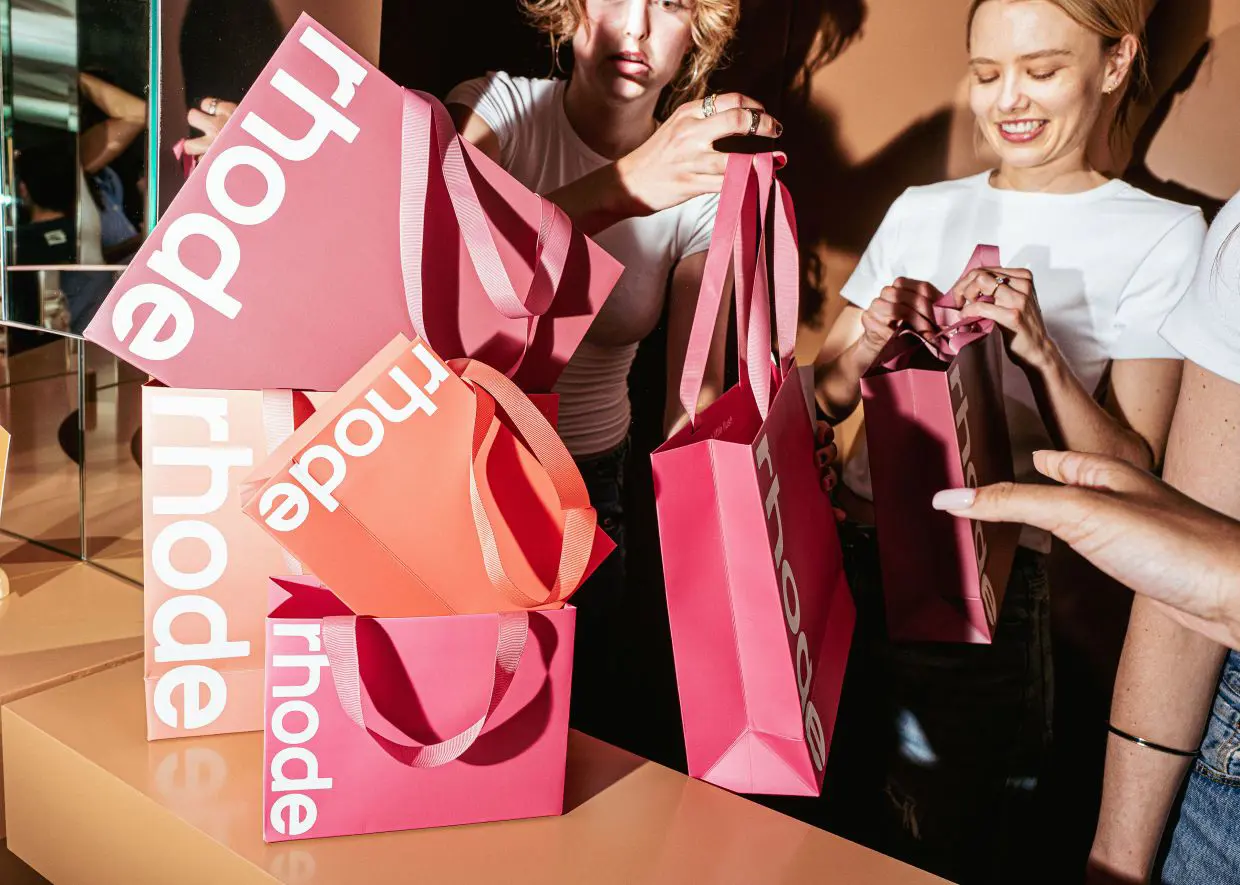
For many, this shift feels similar to what record deals once represented. In the past, signing with a major label was the ultimate milestone for musicians — a symbol of success and financial stability. Now, building a brand holds that same power. With platforms like Instagram and TikTok, celebrities can market directly to millions, bypassing traditional industry barriers. A product drop can sell out in minutes, fueled entirely by personal branding.
“I think it’s the smartest move,” says Asha Mahelis, a fellow Torch writer who follows beauty launches closely. “Music and acting careers don’t always last forever, but a brand can. It’s like they’re securing their future.”
That idea—longevity—seems to be a major motivation. Unlike entertainment careers, which can be unpredictable, brands offer a more stable and controllable source of income. Instead of relying on streams, ticket sales, or roles, celebrities become business owners, often with far greater financial returns. But the rise of celebrity brands hasn’t been universally celebrated. Critics argue that the market is becoming oversaturated, especially in beauty and skincare. With so many similar products launching, it can be hard to tell what’s actually innovative and what’s just well-marketed.
“It’s getting repetitive,” says Elizabeth Hunter, an Olympic Heights senior. “Every brand says it’s ‘clean,’ ‘inclusive,’ or ‘game-changing.’ At some point, it starts to feel like copy and paste.”
Still, some brands have managed to stand out. Fenty Beauty is often credited with pushing inclusivity into the mainstream, while Rare Beauty has built a strong identity around mental health advocacy. SKIMS, on the other hand, reshaped shapewear by offering a wide range of sizes and skin tones, making it more accessible to different body types. These examples suggest that when done thoughtfully, celebrity brands can go beyond just a famous name and actually influence entire industries.

At the same time, there’s a growing conversation about authenticity. Are these brands genuine extensions of a celebrity’s interests, or are they carefully calculated business moves? The answer likely varies. Some celebrities are deeply involved in product development, while others seem to take on a more promotional role. “I don’t think it has to be one or the other,” says Ava Yallop, a senior at Olympic Heights. “It can be ambition and passion. But people can definitely tell when something feels forced.”
That balance—between ambition and authenticity—is what ultimately shapes how these brands are received. Fans today are more aware and more critical; they don’t just buy into a name, they now look for meaning behind it.
So are celebrity brands the new record deals? In many ways, yes. They represent a shift in power, giving artists and public figures more control over their image, income, and long-term success. But unlike record deals, which were once a clear marker of talent and recognition, brands exist in a more complicated space—where influence, business strategy, and public perception all collide. Whether this trend continues or eventually slows down, one thing is clear: being a celebrity in today’s world isn’t just about performing; it’s about building something that lasts and making sure people believe in it.