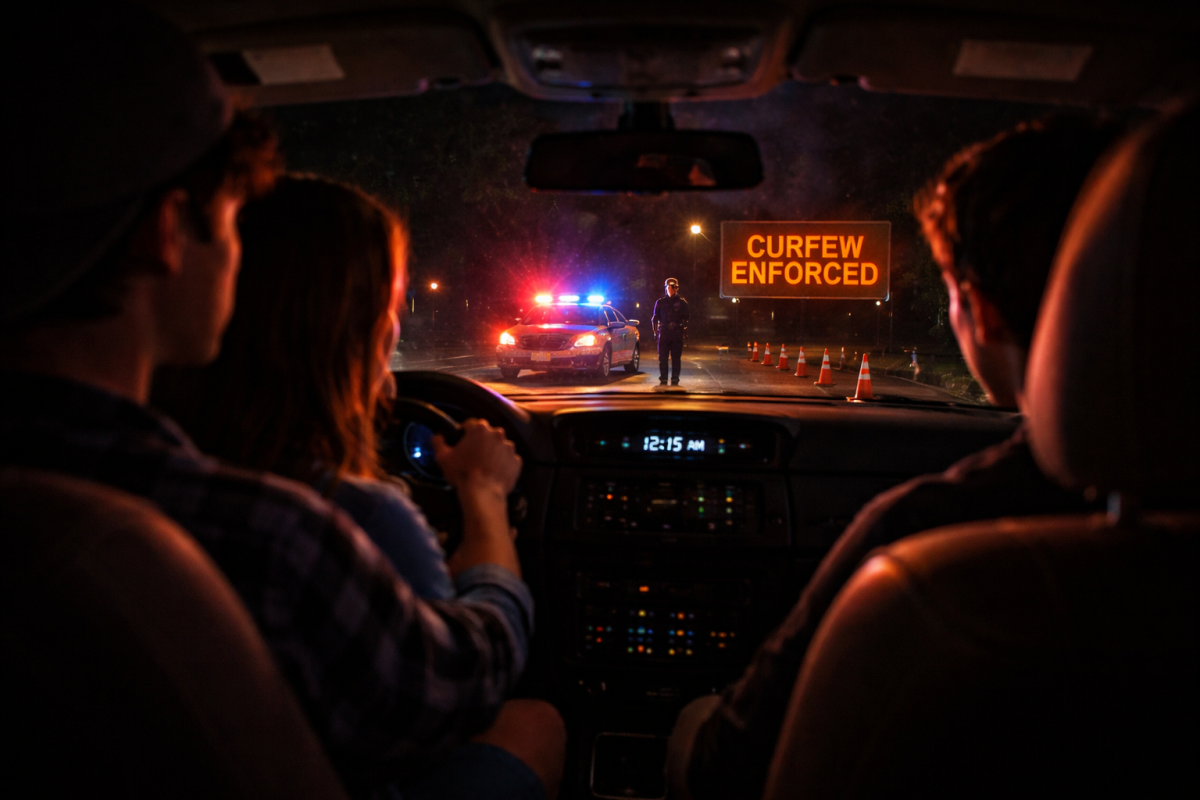
For many high schoolers, turning 16 is a milestone moment. There is a newfound sense of freedom, and driving a car is a privilege. Newly licensed teens make their own choices and feel independent; however,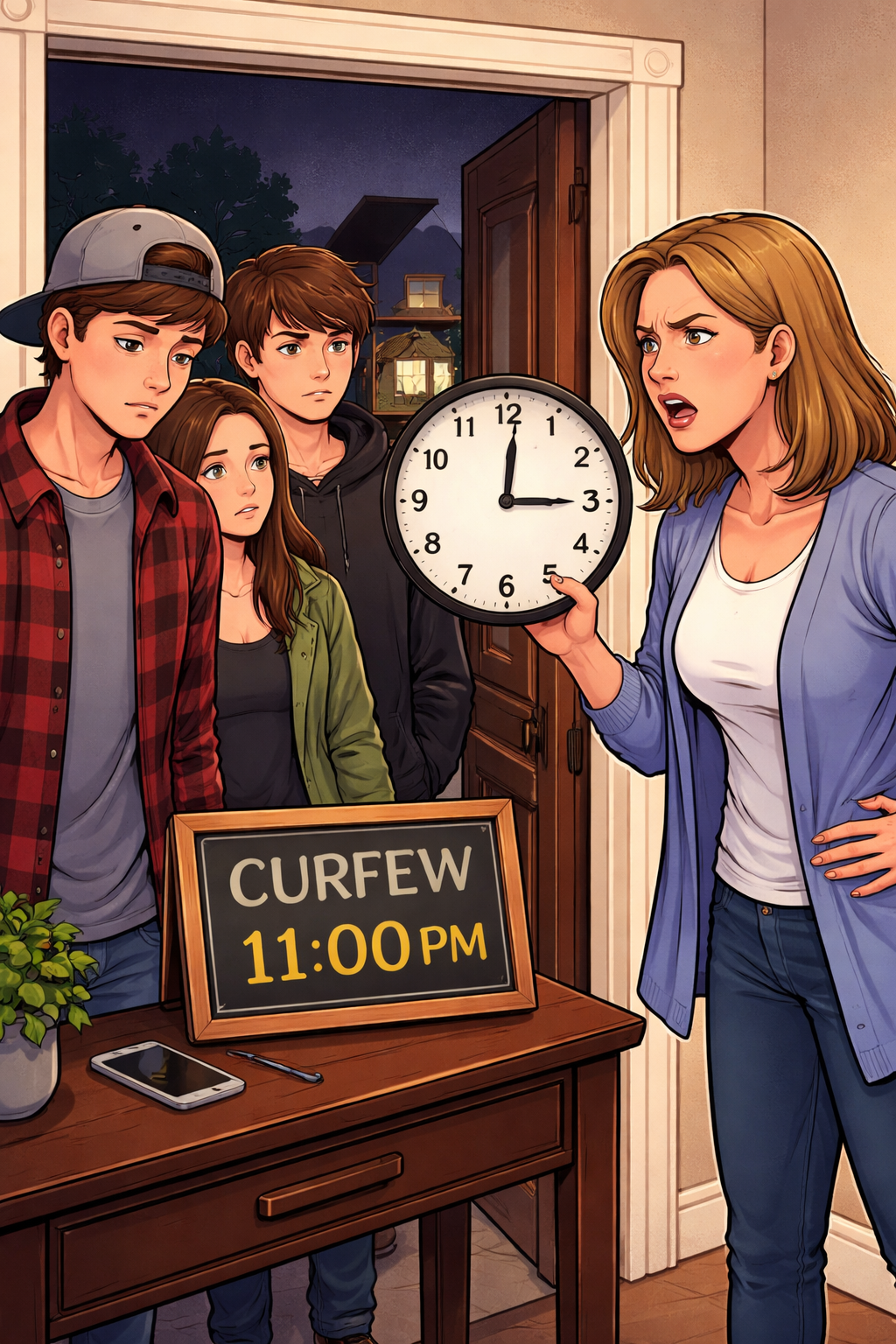 many parents think that their children should have parameters placed on where they go and what time they have to be home. While a curfew is a necessary safety precaution, teens think this is too restrictive and limiting.
This common discussion within households is often brought to the table when discussing safety. Parents believe that a curfew will keep their kid out of trouble as they would be home at a reasonable time. The legal curfew for 16 year olds in Florida is 11 pm. This mandate is instilled for new drivers to keep them out of trouble while they are learning the rules of the road. It decreases the chance of something dangerous happening late at night. A study from The University of Dallas Texas suggests that curfews keep teens out of fatal accidents; they also reduce the rate of crime. “Arrests among teens ages 16-17 fell by as much as 6 percent in states with laws that restrict nighttime driving hours for teens,” claims a study at UT Dallas. This is representative of how a restriction can improve the well being of teens and keep them out of harm’s way. During the later hours of the night, teens could potentially get away with mischief while unsupervised.
Conversely, some teens feel as though having a curfew is too restrictive. Many claim that this limits their freedom even when they aren’t out actively making bad decisions. Teens at Olympic Heights High School were asked if they were more likely to make poor decisions because of having a curfew. “I think that I still make the same decisions as I would in broad daylight and make responsible choices despite my later curfew,” claims Grelian Ruiz, OHHS junior who has a curfew of 12:30 am. Others say that it is inhibiting when they are working at night and can’t drive themselves home from their shift.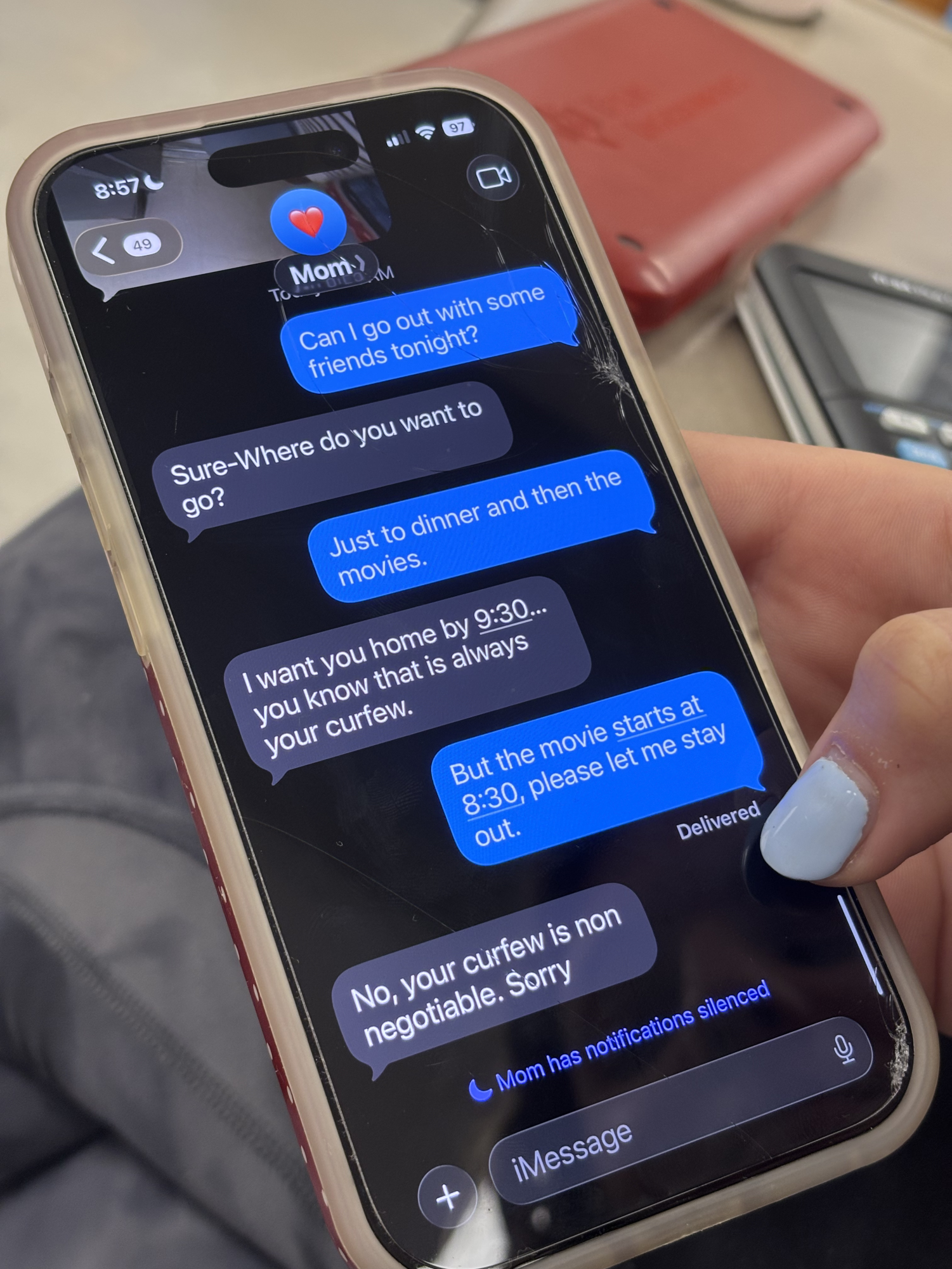
Another reason why curfews are widely implemented is teenage years are some of the most crucial to brain development. Getting a good night’s rest and developing a routine contributes to overall wellness and health. By parents enforcing a curfew, they ensure that their child is safe inside the house practicing healthy habits.
On the other hand, teens need to make their own decisions and learn from them. By limiting them to a specific time, they have to be home they miss out on experiences and opportunities for growth. Alexis Frucht, another junior at OHHS, states, “My curfew is 12:30, but sometimes I feel like my parents don’t entirely trust me and put me in a bubble.” Tight restrictions can emphasize lack of trust that some parents have in their children, and teens view this as unfair. Teenagers also claim that their academic life isn’t everything; they have after school commitments that can run late on weekdays such as sports or a job.
Overall, this discussion has been ongoing for generations between parents and their children. The correct perspective on this topic is different for each family based on their values, family dynamics, and particular situations. Knowing parents have their kids’ best interest at heart- is it worth it to argue for a later curfew, or even none at all?